Niue
A single coral island in the South Pacific that governs itself in free association with New Zealand. Fewer than 2,000 people live there, and many times more Niueans live in New Zealand, whose citizens they all are.
Written from cited sourcesLast checked 26 October 2026Suggest a correction
See it on the globe: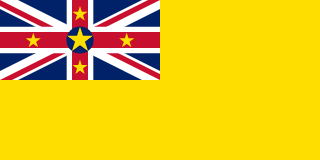 Niue →
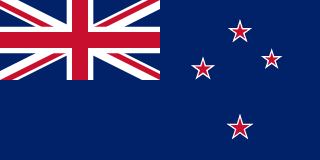 New Zealand →
The Rock
Niue is a single raised coral island in the southwestern Pacific, about 2,160 km northeast of Auckland and 385 km east of Tonga’s Vava‘u group. It is roughly oval, about 65 km around, and covers 260 km². People call it “the Rock of Polynesia”, or just “the Rock”.[1]
The island has two levels: a central plateau up to about 60 m high, and a coastal terrace about half a kilometre wide that drops to the sea in small cliffs. The limestone is so porous that drinking water has to be caught from roofs. Most people live in villages along the coastal strip, and the capital and largest settlement is Alofi.[1]
From Savage Island to self-rule
Archaeology suggests Samoans settled Niue about 900 CE, and tradition tells of a war party from Tonga arriving in the 16th century. James Cook landed in 1774, met a hostile reception, and called it Savage Island.[1]
Britain made Niue a protectorate in 1900, and in 1901 New Zealand annexed it as part of the Cook Islands. In 1903 it was split off with its own resident commissioner and island council. Niue elected its first Legislative Assembly in 1960, and in 1974 its people voted for a constitution giving self-government in association with New Zealand.[1]
Free association
Niue runs its own affairs under the Niue Constitution Act 1974. It shares a head of state, the King, with New Zealand as part of the Realm of New Zealand, and New Zealand’s governor-general represents him.[2][1] A prime minister, chosen by the 20-member Legislative Assembly, leads the government; until September 2024 the title was premier.[1]
Under the Act, New Zealand gives economic and administrative help, and help with foreign affairs, defence and security if Niue’s government asks for it. In return Niue may not make defence arrangements that would involve New Zealand’s sovereign powers or act against the security of the Realm.[2] In 2025 the two prime ministers signed a political declaration on their relationship.[2]
Under New Zealand law all Niueans are New Zealand citizens.[2] Because jobs at home are few, many have moved there, and in the early 21st century many times more Niueans and their descendants have lived in New Zealand than on the island.[1] Niue uses the New Zealand dollar and depends heavily on New Zealand aid and on money sent home by relatives.[1]
Timeline
c. 900
First settlers
Samoans settle the island, archaeology suggests.[1]
1774
Savage Island
James Cook lands and names it after the hostile welcome.[1]
1900
Protectorate
Britain makes Niue a protectorate.[1]
1901
Annexed
New Zealand annexes Niue as part of the Cook Islands.[1]
1903
Separate
Niue gets its own resident commissioner and island council.[1]
1960
Assembly
The first Niuean Legislative Assembly is elected.[1]
1974
Self-government
Niueans vote for a constitution in free association with New Zealand.[1]
2004
Cyclone
A cyclone kills a number of people and badly damages the coast, including Alofi.[1]
2024
Prime minister
The premier’s title becomes prime minister.[1]
202513 November 2025
Political Declaration
New Zealand and Niue sign a declaration on their free association.[2]
More autonomous regions
- Aceh
- Åland
- Aosta Valley
- Azores and Madeira
- Bangsamoro
- Basque Country
- Bermuda
- Bougainville
- Canary Islands
- Catalonia
- Chechnya
- Corsica
- Faroe Islands
- Gagauzia
- Greenland
- Karakalpakstan
- Kurdistan Region
- Mount Athos
- Nakhchivan
- Nevis
- New Caledonia
- Nicaragua’s Caribbean Coast
- Norfolk Island
- Northern Ireland
- Nunavut
- Puerto Rico
- Puntland
- Scotland
- South Tyrol
- Tatarstan
- Vojvodina
- Wales
- Why the Northern Territory isn’t a state
- Zanzibar
Sources
Map geometry from Natural Earth via world-atlas. See credits.