Arab League member states
The 22 members of the League of Arab States, from Mauritania on the Atlantic to Oman on the Arabian Sea: seven founders from 1945, the countries that joined as they won independence, and three on the Horn of Africa and in the Indian Ocean.
22 countriesAs of September 2026Short notes, not sourcedSuggest a correction
The Arab League was founded in Cairo on 22 March 1945 by six Arab states, and Yemen joined two months later, so it counts as a founder too. It was set up to coordinate their politics and protect their independence as the colonial era was ending. Its headquarters is in Cairo, and its secretary-general has almost always been Egyptian.
Its 22 members stretch across North Africa and the Middle East and are home to about 470 million people. Most share Arabic as an official language, but the league has rarely spoken with one voice: it expelled Egypt for making peace with Israel in 1979, and suspended Syria during its civil war.
Founders (1945)7
The seven countries that set up the league in 1945.
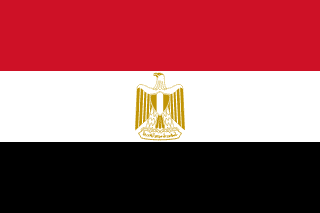 Egypt
EgyptHosts the headquarters. It was suspended from 1979 to 1989 after its peace treaty with Israel, and the headquarters moved to Tunis in the meantime.
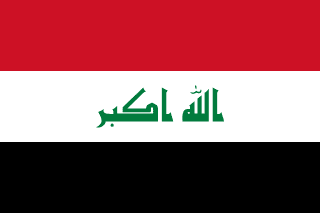
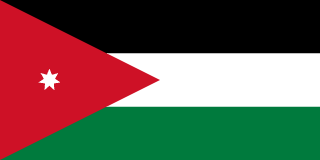 Jordan
Joined as Transjordan, under its old name.
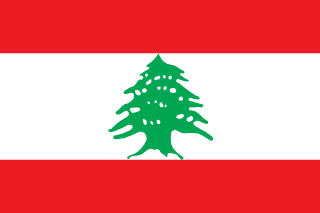
 Syria
SyriaSuspended in 2011 over its crackdown on protesters, and readmitted in 2023.
 Yemen
YemenNorth Yemen joined in May 1945 and South Yemen in 1967. They united as one member in 1990.
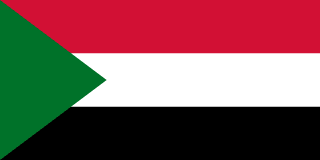
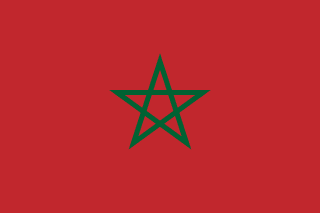
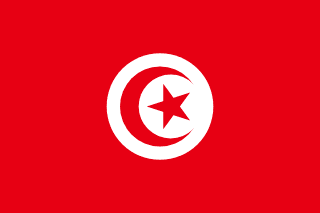
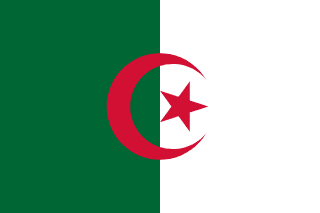
North Africa6
Joined as each won independence, in the 1950s and 60s.
The Gulf5
Kuwait in 1961, and the rest in 1971, as Britain withdrew from the Gulf.
 Kuwait
Joined in 1961.
 Bahrain
Joined in 1971.
 Qatar
QatarJoined in 1971.
 Oman
OmanJoined in 1971.
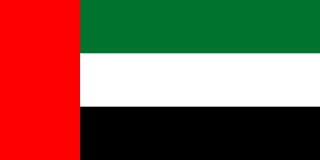 United Arab Emirates
Joined in 1971, days after the emirates formed the country.
Beyond the Arab heartland4
Members where Arabic is official but most people’s first language is something else, and Palestine.
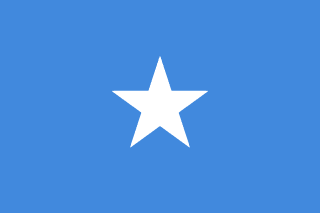 Somalia
Joined in 1974. Arabic is an official language alongside Somali, which nearly everyone speaks.
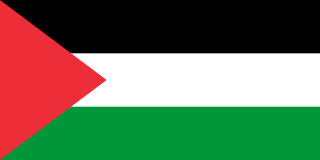 Palestine
The Palestine Liberation Organization became a full member in 1976. The seat has been held in the name of the State of Palestine since it was declared in 1988.
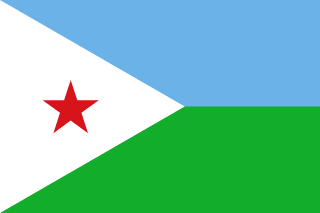 Djibouti
Joined in 1977, the year it became independent from France.
 Comoros
The Comoros, islands off Mozambique, joined in 1993, the newest member.
Close calls
Chad and Eritrea
Arabic is an official language of Chad and a working language in Eritrea, but neither has joined. Eritrea is an observer.
Western Sahara
The Sahrawi Arab Democratic Republic, which claims Western Sahara, is a member of the African Union but not of the Arab League, where Morocco is a member.
Not every Middle Eastern country
Iran, Turkey and Israel are in the Middle East but not Arab states, and none is a member. The Arab League isn’t a religious group either: the Organisation of Islamic Cooperation is a different body with 57 members.
More country lists
- Amazon rainforest countries
- Andean countries
- Arctic Ocean countries
- ASEAN member countries
- Atlantic Ocean countries
- Baltic Sea countries
- Black Sea countries
- BRICS member countries
- Caribbean Sea countries
- Commonwealth member countries
- Countries in the Arctic Circle
- Countries in the European Union
- Countries of the former Yugoslavia
- Countries on the Equator
- Countries that drive on the left
- Countries that use the euro
- Countries with a monarch
- Countries with nuclear weapons
- Danube countries
- FIFA World Cup host countries
- Former Soviet republics
- G20 member countries
- Indian Ocean countries
- Island nations
- Landlocked countries
- Mediterranean countries
- Mekong countries
- NATO member countries
- OECD member countries
- OPEC member countries
- Pacific Ocean countries
- Persian Gulf countries
- Red Sea countries
- Sahara Desert countries
- Schengen Area countries
- Summer Olympics host countries
- Winter Olympics host countries