Landlocked countries
The countries with no coast on the open sea: why they ended up inland, the two that are landlocked twice over, and the Caspian question.
45 countriesAs of September 2026Short notes, not sourcedSuggest a correction
A landlocked country has no coastline on the ocean or on any sea that connects to it. Nearly one country in four is landlocked, and most of them are in Africa and Europe. Shores on a lake don't count, however big the lake, and neither do rivers, even rivers ships can sail down to the sea.
Being landlocked is expensive. Everything a country imports or exports by sea has to cross at least one neighbour first, so its trade depends on another government's roads, railways, ports and goodwill. That's why so many of the notes below are about ports borrowed from next door.
Africa16
Sixteen countries, many of them left inland by colonial borders drawn along rivers and watersheds.
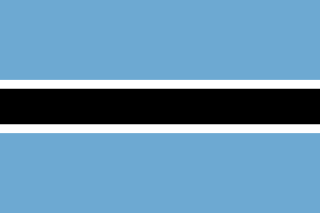 Botswana
Its greatest river, the Okavango, never reaches the sea. It spreads out and dries up in the Kalahari as the Okavango Delta.
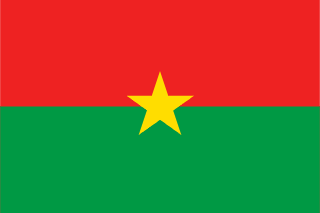 Burkina Faso
Called Upper Volta until 1984, after the upper reaches of the Volta river.
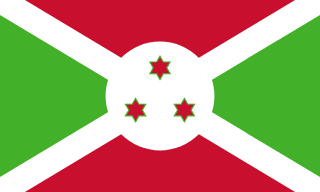 Burundi
Its main port is on a lake: Bujumbura, on Lake Tanganyika.
 Central African Republic
Much of its trade goes by road to Douala in Cameroon, or by river down the Ubangi and the Congo.
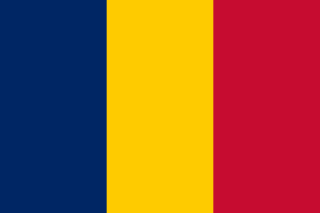 Chad
ChadThe capital, N’Djamena, is about 1,000 km from the nearest coast. Lake Chad, on its western edge, has shrunk dramatically since the 1960s.
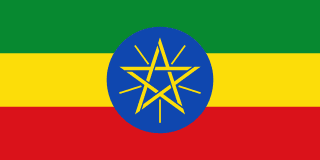 Ethiopia
The most populous landlocked country. It lost its coast when Eritrea became independent in 1993, and now ships most of its trade through Djibouti.
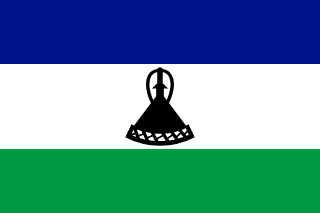 Lesotho
Completely surrounded by South Africa. It also has the highest lowest point of any country, about 1,400 m above sea level.
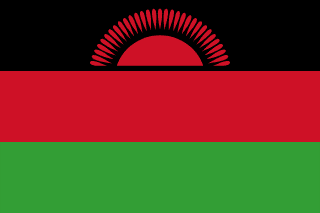 Malawi
Lake Malawi, Africa’s third-largest lake, covers about a fifth of the country.
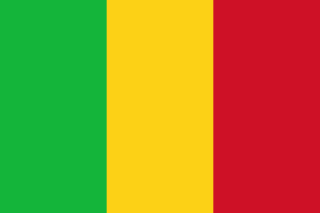 Mali
MaliThe Niger river runs through it past Bamako and close to Timbuktu before looping south towards the coast.
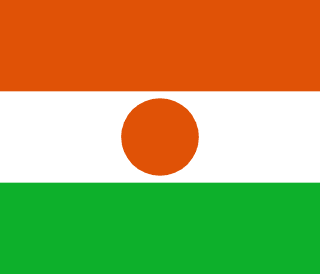 Niger
NigerNamed after the Niger river. Most of the country is Sahara.
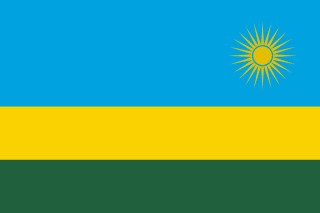 Rwanda
The “land of a thousand hills”, one of Africa’s most densely populated countries.
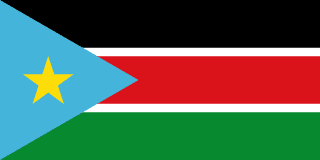 South Sudan
Independent from Sudan in 2011, the newest UN member. It exports its oil by pipeline through Sudan to Port Sudan.
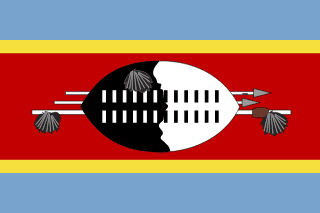 Eswatini
Called Swaziland until 2018. South Africa surrounds it on three sides, and it borders Mozambique on the fourth.
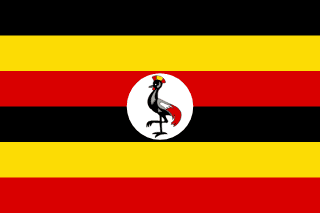 Uganda
Shares Lake Victoria with Kenya and Tanzania. The White Nile leaves the lake at Jinja.
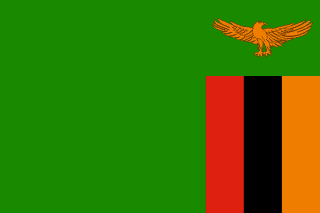 Zambia
Its copper goes to the sea by road, or by the TAZARA railway to Dar es Salaam, which China built in the 1970s.
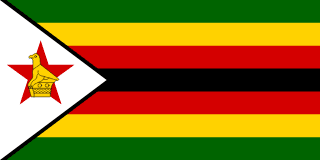 Zimbabwe
Shares Victoria Falls and Lake Kariba with Zambia, along the Zambezi.
Asia12
Most of Central Asia, plus the Himalayan states and Laos.
 Afghanistan
The Wakhan Corridor, a thin strip in the far northeast, gives it a short border with China.
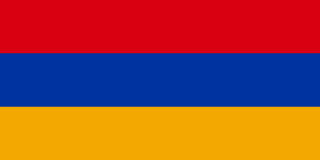 Armenia
Lake Sevan, high in the mountains, is one of the largest freshwater lakes in the Caucasus.
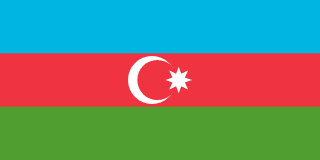 Azerbaijan
Has a long coast on the Caspian Sea, which is still counted as landlocked because the Caspian has no outlet to the ocean.
 Bhutan
Sits in the Himalayas between China and India, and trades mostly through India.
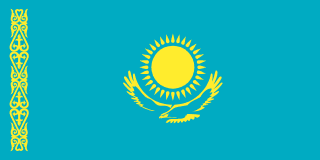 Kazakhstan
The largest landlocked country in the world, and the ninth largest country of any kind. It has a Caspian coast too.
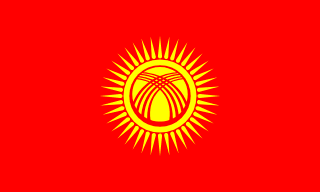 Kyrgyzstan
Almost all mountains. Issyk-Kul, in the Tian Shan, is one of the world’s largest mountain lakes.
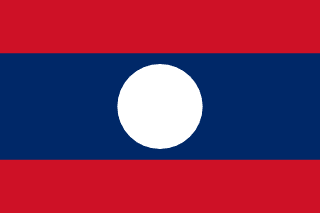 Laos
LaosThe only landlocked country in Southeast Asia. The Mekong runs along much of its western border.
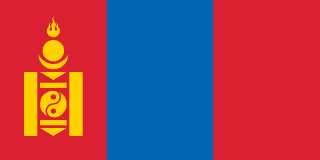 Mongolia
The second-largest landlocked country, with only two neighbours: Russia and China.
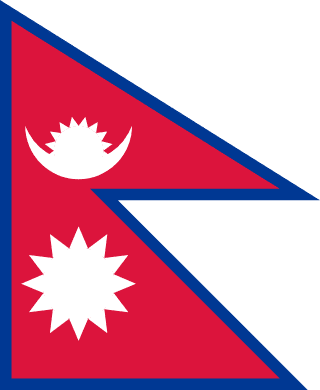 Nepal
NepalMount Everest stands on its border with China.
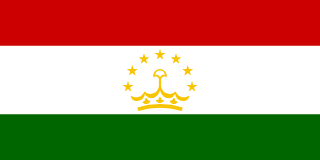 Tajikistan
Mostly mountains, including much of the Pamirs.
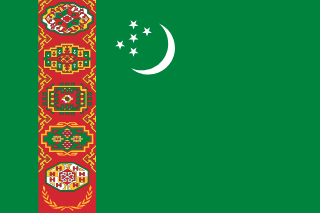 Turkmenistan
Most of it is the Karakum Desert. Like Kazakhstan and Azerbaijan, it has a Caspian coast.
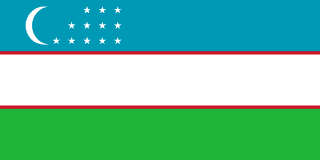 Uzbekistan
One of only two doubly landlocked countries: all its neighbours are landlocked too. The Aral Sea on its western edge has mostly dried up.
Europe15
Fifteen, from microstates to the countries of the Danube basin.
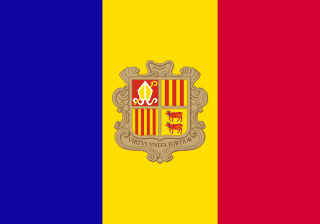 Andorra
High in the Pyrenees between France and Spain.
 Austria
Lost its coast on the Adriatic when Austria-Hungary broke up after the First World War.
 Hungary
Lake Balaton, known locally as the “Hungarian sea”, is the largest lake in Central Europe.
 Liechtenstein
The other doubly landlocked country, between Switzerland and Austria.
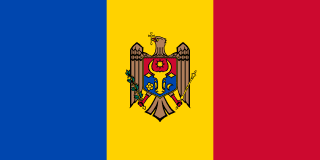 Moldova
Owns a few hundred metres of Danube bank at Giurgiulești, where it built a port that ships can reach from the Black Sea.
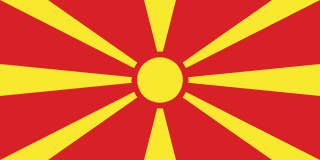 North Macedonia
Renamed North Macedonia in 2019.
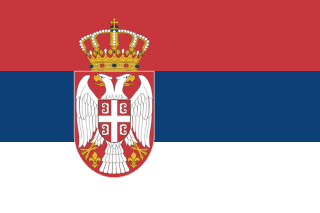 Serbia
Landlocked since 2006, when Montenegro and its coast became independent.
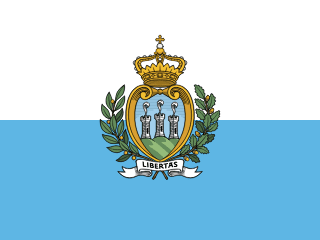 San Marino
Surrounded by Italy, a few kilometres from the Adriatic but with no coast of its own.
 Vatican City
The smallest country in the world, entirely inside Rome.
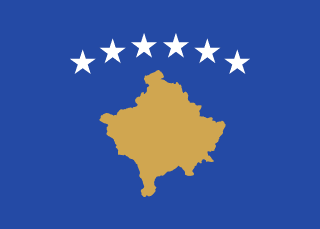 Kosovo
Declared independence from Serbia in 2008, and isn’t recognised by every country.
South America2
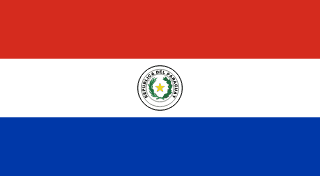
Close calls
The Caspian question
Kazakhstan, Turkmenistan and Azerbaijan all have long coasts on the Caspian Sea, the largest lake in the world by area. It has no outlet to the ocean, so they're counted as landlocked. The countries around it signed a convention in 2018 giving it a special legal status of its own. Russia and Iran have Caspian coasts too, but they also have coasts on the open sea.
Doubly landlocked
Liechtenstein and Uzbekistan are surrounded only by other landlocked countries, so reaching the sea means crossing at least two borders. Liechtenstein became doubly landlocked after the First World War, when Austria lost its coast.
A very short coast
Some countries only just miss the list. Bosnia and Herzegovina has about 20 km of Adriatic coast at Neum. DR Congo has a short Atlantic coast at the mouth of the Congo river. Iraq has a small stretch of the Gulf around Umm Qasr, and Jordan has a short Red Sea coast at Aqaba.
Countries that lost their coast
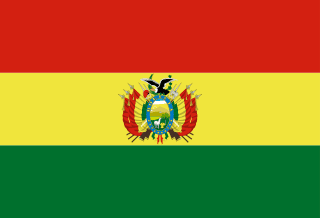
Ethiopia (in 1993), Serbia (2006) and Bolivia (in the 1880s) all had coasts within the last century and a half. Austria and Hungary lost theirs when Austria-Hungary broke up in 1918.