Countries that use the euro
The 27 countries whose currency is the euro: the 21 EU members of the eurozone, four microstates with agreements to use it, and Kosovo and Montenegro, which adopted it on their own.
27 countriesAs of September 2026Short notes, not sourcedSuggest a correction
The euro was launched on 1 January 1999 as an accounting currency in eleven EU countries, and euro notes and coins replaced the franc, the mark, the lira and the rest on 1 January 2002. It is run by the European Central Bank in Frankfurt, which sets one interest rate for the whole euro area. It is the world’s second most-held reserve currency, after the US dollar.
Every EU member except Denmark has promised to adopt it once it meets the conditions on inflation, debt and exchange rates. Notes look the same everywhere, but each country mints coins with its own design on one side, and all of them can be spent in any euro country.
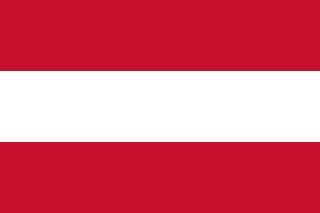
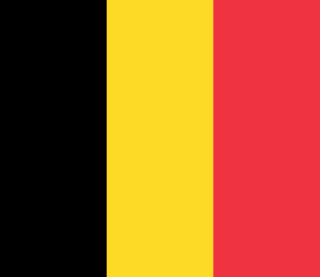
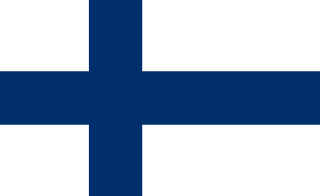
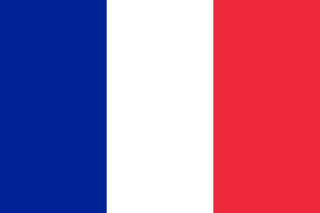
The first eleven (1999)11
EU members that joined later10
 Greece
Joined in 2001, and came close to leaving during its debt crisis in 2015.
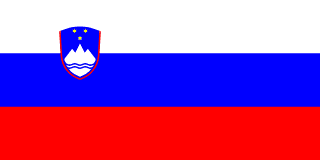 Slovenia
Joined in 2007, the first of the countries that entered the EU in 2004.
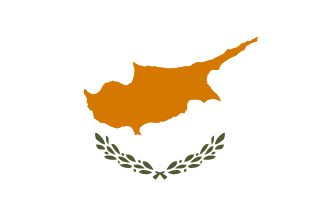 Cyprus
Joined in 2008.
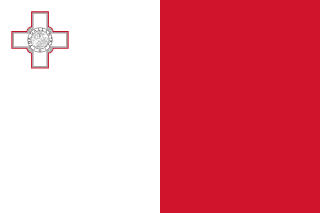 Malta
MaltaJoined in 2008.
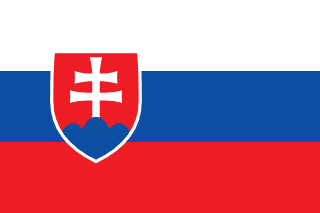 Slovakia
Joined in 2009.
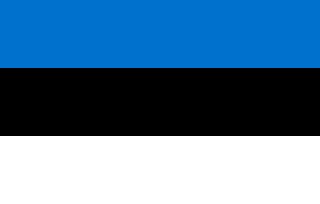 Estonia
Joined in 2011.
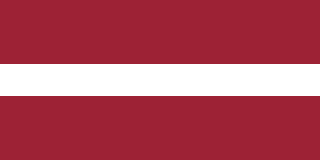 Latvia
Joined in 2014.
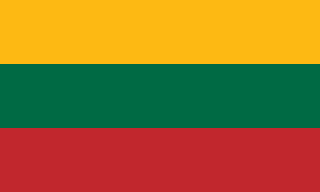 Lithuania
Joined in 2015.
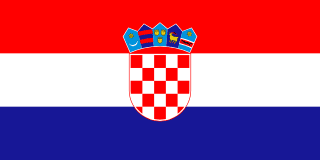 Croatia
Joined in 2023, replacing the kuna.
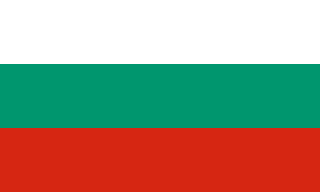 Bulgaria
Joined on 1 January 2026, replacing the lev, the 21st EU member to use the euro.
Outside the EU6
Four microstates that use the euro by agreement with the EU, and two countries that adopted it on their own.
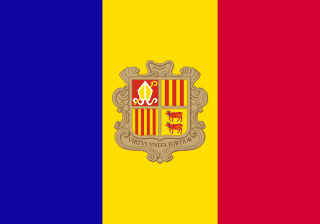 Andorra
Used the French franc and Spanish peseta before, and signed its agreement with the EU in 2011.
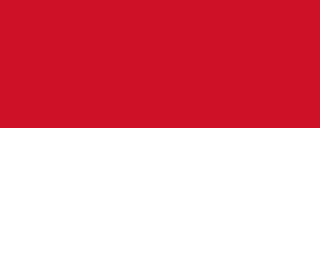 Monaco
Used the French franc before, and mints its own euro coins.
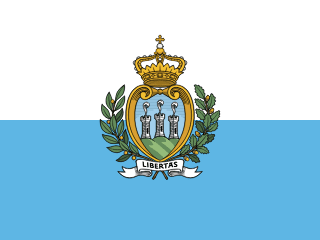 San Marino
Used the Italian lira before, and mints its own euro coins.
 Vatican City
Its euro coins are made in small numbers and mostly bought by collectors.
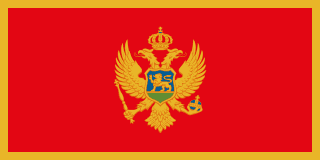 Montenegro
Adopted the German mark in 1999, while still part of Yugoslavia, and moved to the euro with it in 2002, without an agreement with the EU.
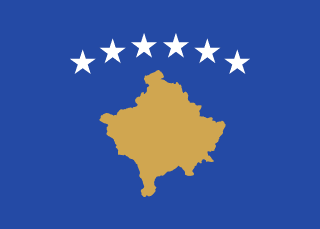 Kosovo
Also went from the mark to the euro in 2002 on its own. In 2024 it made the euro the only currency allowed for cash payments, including in its Serb-majority north.
Close calls
EU members without it
Denmark negotiated an opt-out and pegs its krone to the euro. Sweden, Poland, the Czech Republic, Hungary and Romania are bound to adopt it one day, but have no date, and Sweden stays out by not meeting the conditions on purpose.
Territories
The euro is also used in places that aren’t countries of their own, among them France’s overseas regions and Spain’s Canary Islands, and in the Åland Islands and the Azores, all inside EU members already on the list.
Currencies tied to the euro
The CFA francs of fourteen West and Central African countries, and the currencies of Bosnia and Herzegovina, Bulgaria before 2026, Cape Verde and others, are pegged to the euro but are separate currencies, so those countries aren’t on the list.
More country lists
- Amazon rainforest countries
- Andean countries
- Arab League member states
- Arctic Ocean countries
- ASEAN member countries
- Atlantic Ocean countries
- Baltic Sea countries
- Black Sea countries
- BRICS member countries
- Caribbean Sea countries
- Commonwealth member countries
- Countries in the Arctic Circle
- Countries in the European Union
- Countries of the former Yugoslavia
- Countries on the Equator
- Countries that drive on the left
- Countries with a monarch
- Countries with nuclear weapons
- Danube countries
- FIFA World Cup host countries
- Former Soviet republics
- G20 member countries
- Indian Ocean countries
- Island nations
- Landlocked countries
- Mediterranean countries
- Mekong countries
- NATO member countries
- OECD member countries
- OPEC member countries
- Pacific Ocean countries
- Persian Gulf countries
- Red Sea countries
- Sahara Desert countries
- Schengen Area countries
- Summer Olympics host countries
- Winter Olympics host countries