OECD member countries
The 38 members of the Organisation for Economic Co-operation and Development, the Paris-based club of mostly rich democracies: twenty from its founding in 1960–61, and eighteen that joined later, most recently Costa Rica.
38 countriesAs of September 2026Short notes, not sourcedSuggest a correction
The OECD grew out of the Organisation for European Economic Co-operation, set up in 1948 to share out American Marshall Plan aid to rebuild Western Europe after the Second World War. In 1960 its members, with the United States and Canada, signed a new convention that turned it into the OECD, which began work in 1961. Its headquarters is the Château de la Muette in Paris.
It is a forum rather than a bloc: governments compare their policies, set shared standards on things like tax and bribery, and publish statistics used around the world, including the PISA tests of 15-year-olds’ schooling. Joining takes years of reviews, and members are expected to be market economies and democracies.
Founders (1961)20
The twenty countries that signed the convention in December 1960.
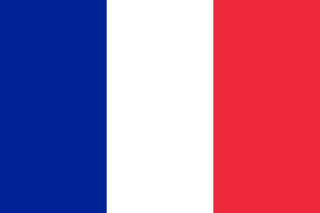 France
Hosts the headquarters in Paris.
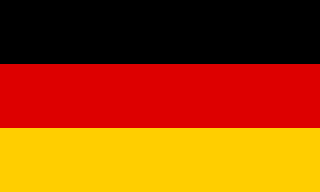 Germany
West Germany was a founder.
 Italy
ItalySigned in 1960, though it was the last founder to ratify, in 1962.
 United States
The Marshall Plan was American, and the United States pays the largest share of the budget.
Joined 1964–19734
The first members from outside Europe and North America.
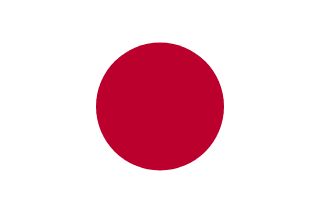 Japan
JapanJoined in 1964, the first member from Asia.
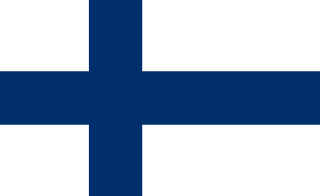 Finland
Joined in 1969.
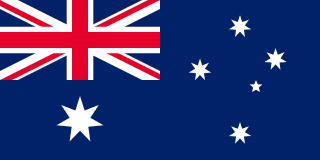 Australia
Joined in 1971.
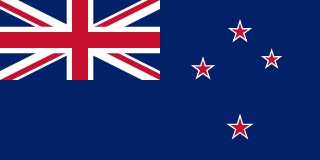 New Zealand
Joined in 1973.
Joined 1994–20006
Mexico, South Korea and former communist countries of Central Europe.
Joined since 20108
Close calls
Waiting to join
Argentina, Brazil, Bulgaria, Croatia, Peru and Romania were invited to start talks in 2022, and Indonesia and Thailand in 2024. Each has to pass reviews by more than twenty OECD committees before it can join.
Russia
Russia began talks to join in 2007. They were frozen after it annexed Crimea in 2014 and ended after it invaded Ukraine in 2022.
Rich but not members
Singapore, Qatar and the United Arab Emirates have some of the world’s highest incomes but aren’t members, and nor is China, the second-largest economy.
More country lists
- Amazon rainforest countries
- Andean countries
- Arab League member states
- Arctic Ocean countries
- ASEAN member countries
- Atlantic Ocean countries
- Baltic Sea countries
- Black Sea countries
- BRICS member countries
- Caribbean Sea countries
- Commonwealth member countries
- Countries in the Arctic Circle
- Countries in the European Union
- Countries of the former Yugoslavia
- Countries on the Equator
- Countries that drive on the left
- Countries that use the euro
- Countries with a monarch
- Countries with nuclear weapons
- Danube countries
- FIFA World Cup host countries
- Former Soviet republics
- G20 member countries
- Indian Ocean countries
- Island nations
- Landlocked countries
- Mediterranean countries
- Mekong countries
- NATO member countries
- OPEC member countries
- Pacific Ocean countries
- Persian Gulf countries
- Red Sea countries
- Sahara Desert countries
- Schengen Area countries
- Summer Olympics host countries
- Winter Olympics host countries